
US fuel prices surge as Iran war sends oil above $90
U.S. gasoline and diesel prices are climbing rapidly after oil surged above $90 a barrel amid escalating geopolitical tensions involving Iran. Analysts warn the supply shock could push pump prices higher in the coming weeks, adding inflationary pressure across the U.S. economy.
By Sarah Johnson • 3/7/2026
Retail fuel prices across the United States are climbing sharply as energy markets react to supply disruptions linked to escalating tensions involving Iran and the broader Middle East.
Benchmark crude prices surged above $90 per barrel this week, the highest level in several years, sending immediate ripple effects through U.S. gasoline and diesel markets.
According to data from American Automobile Association, the national average price for regular gasoline reached $3.32 per gallon, an 11% increase compared with a week earlier and the highest level since September 2024. Diesel prices climbed even more sharply, rising 15% over the same period to $4.33 per gallon, the highest since November 2023.
The spike highlights how geopolitical instability in key energy transit corridors can rapidly influence fuel costs for American consumers, even though the United States is the world’s largest oil producer.
Energy Prices become a Political Test
The surge in fuel prices could become a major political challenge for the administration of Donald Trump as the country approaches midterm elections later this year.
Energy affordability has been a central economic issue for voters, particularly after years of inflation affecting household budgets. Higher fuel prices risk amplifying broader cost-of-living concerns, especially in suburban and rural regions where driving distances are longer and public transportation options limited.
The United States remains both a major oil exporter and importer. While domestic production has expanded significantly over the past decade, the country still imports millions of barrels daily due to its enormous consumption levels.
Midwest and Southern States Feel the Impact
The sharpest increases in pump prices have been recorded in parts of the Midwest and Southern United States.
In Georgia, a politically important swing state, average gasoline prices have risen more than 40 cents per gallon within a single week, according to fuel tracking platform GasBuddy.
For many consumers, the increases have come as a sudden shock.
Some drivers say they are already adjusting travel patterns to reduce fuel expenses, highlighting how rapidly rising energy costs can influence everyday economic decisions.
Strait of Hormuz Tensions Reshape Oil Flows
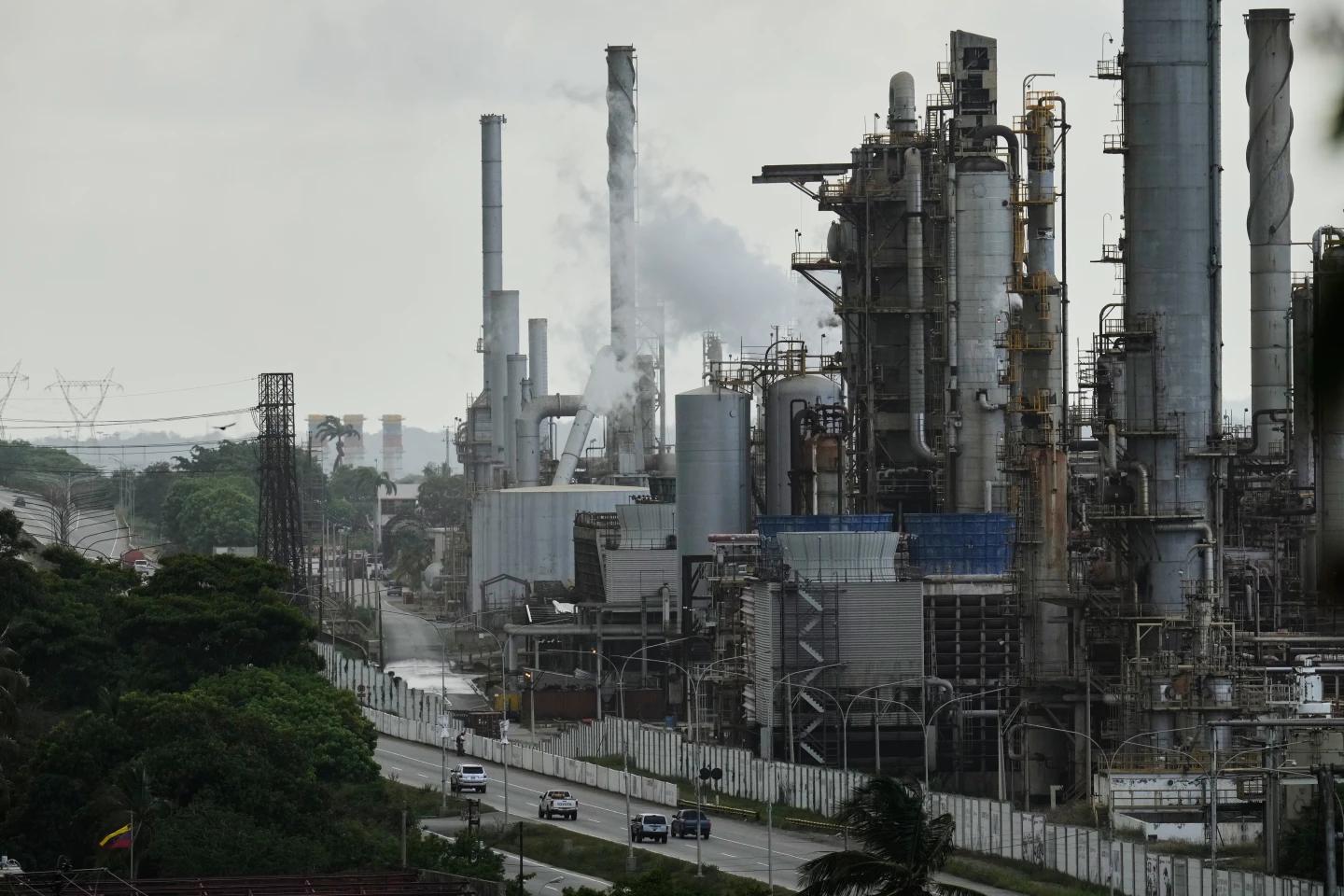
A key factor behind the price surge is heightened disruption risk in the Strait of Hormuz, one of the world’s most critical energy chokepoints.
Roughly one-fifth of global oil trade passes through the narrow maritime corridor connecting the Persian Gulf to international markets. Any disruption in this region can quickly tighten supply and drive global price volatility.
Even though the U.S. has significantly reduced its dependence on Middle Eastern crude, other major refining hubs — particularly in Asia and Europe — remain heavily reliant on the region.
As those refineries scramble for alternative supply sources, demand for U.S. crude exports increases, pushing global prices higher and indirectly lifting domestic fuel costs.
Diesel Price Surge Raises Inflation Concerns
While gasoline prices tend to attract the most consumer attention, economists are increasingly focused on diesel.
Diesel fuel is the backbone of freight transport, agriculture, construction, and global shipping. Rising diesel prices can therefore ripple across the economy by raising the cost of transporting goods.
Tight global inventories have already kept diesel markets under pressure following a prolonged winter that boosted heating demand and strained refining capacity.
If diesel prices remain elevated, analysts warn the impact could extend beyond transportation and into food prices, manufacturing costs, and retail supply chains.
Seasonal Demand Could Push Prices Higher
Seasonal trends may also exacerbate the current price spike.
Gasoline demand typically rises in spring and early summer as travel activity increases. During this period, refiners also switch to summer-blend gasoline — a formulation designed to reduce emissions but more expensive to produce.
Combined with geopolitical disruptions and tightening global inventories, these seasonal dynamics could push U.S. gasoline prices closer to $3.50–$3.70 per gallon in the coming weeks.
Oil Markets Face a Volatile Outlook
Energy analysts say the trajectory of fuel prices will largely depend on how long supply disruptions persist and whether tensions in the Middle East escalate further.
If shipping risks continue to threaten flows through the Strait of Hormuz, global oil markets could remain volatile throughout the summer.
For the U.S. economy, the stakes are significant. Rising fuel costs not only affect consumers directly but also influence inflation trends, central bank policy expectations, and political sentiment.
For now, motorists across the country are bracing for higher costs at the pump — a reminder that global energy markets remain tightly interconnected despite America’s growing domestic production capacity.
Tags:
Oil MarketsEnergy InflationStrait of HormuzGlobal Oil Supply