East Africa’s $5bn Oil Pipeline set to begin Crude Exports by October
East Africa’s longest-ever energy project is nearing completion, with Uganda and Tanzania preparing to ship first crude exports through the $5bn EACOP pipeline by October.
By Sarah Johnson • 1/8/2026
Uganda and Tanzania are preparing to ship their first barrels of crude oil through the East African Crude Oil Pipeline (EACOP) as early as October, marking a long-awaited breakthrough for East Africa’s entry into global oil markets.
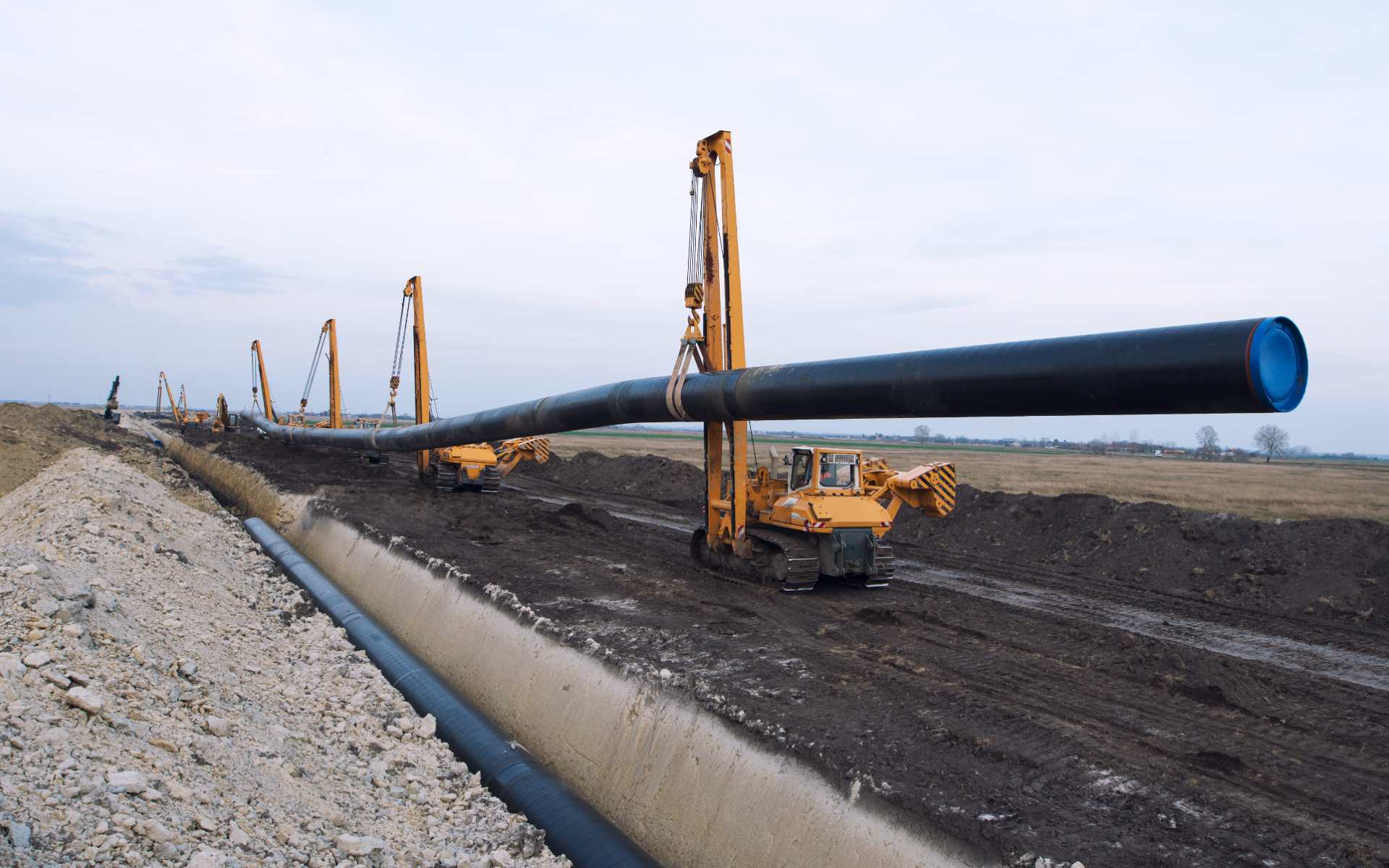
The $5 billion pipeline, which stretches 1,443 kilometres from Uganda’s oil-rich Albertine Graben to the Indian Ocean port of Tanga in Tanzania, is now in its final stages of construction. Officials from both countries say the project is between 75% and 80% complete, with all major pipeline segments already laid.
A landmark infrastructure project nears completion
Uganda’s Petroleum Authority said nearly three-quarters of the pipeline had been completed by November last year, with about $3.3 billion already invested. Ernest Rubondo, chief executive of the authority, has described EACOP as “the backbone of Uganda’s crude oil exports,” underscoring its central role in the country’s long-term energy and economic strategy.
Energy ministers from both countries reaffirmed their commitment to the project during a high-level stakeholder meeting in Dar es Salaam on January 5, where progress on pipeline construction, pumping stations, and the marine export terminal at Tanga was reviewed.
Construction is now at peak activity levels, with start-up readiness targeted for July 31, 2026, according to officials.
Uganda’s delegation was led by Energy Minister Ruth Nankabirwa, alongside officials from the Uganda National Oil Company and the National Petroleum Council. Tanzania was represented by Energy Minister Deogratius Ndejembi, joined by officials from the Tanzania Petroleum Development Corporation and energy regulator Ewura.
The World’s Longest Heated Crude Oil Pipeline
Once operational, EACOP will be the longest heated crude oil pipeline in the world, designed to transport Uganda’s waxy crude oil at temperatures of around 50°C to prevent it from solidifying during transit.
At full capacity, the pipeline is expected to carry up to 230,000 barrels of oil per day, with crude loaded onto tankers at Tanga for export to international markets.
For Uganda, the pipeline unlocks access to an estimated 6.5 billion barrels of crude oil reserves, positioning the country as a new oil producer on the African continent after years of delays.
Economic Gains for Uganda and Tanzania
While Uganda stands to benefit from oil export revenues and downstream investment, Tanzania is emerging as a critical regional energy transit hub.
Authorities say the project has already generated around 50 billion Tanzanian shillings ($19.5 million) through development levies, taxes, and construction-related charges.
Tanzania’s EACOP project coordinator, Asiadi Mrutu, said the project has so far employed about 1,200 Tanzanians, including workers from communities around the Chongoleani terminal in Tanga. Officials expect employment and ancillary economic activity to rise further once exports begin.
Global markets and remaining risks
Despite the momentum, officials acknowledge that the project’s long-term success will depend on global oil prices, operational efficiency, and the timely completion of upstream production facilities in Uganda’s oilfields.
EACOP has also faced sustained criticism from environmental and human rights groups. In response, project developers — including TotalEnergies and China National Offshore Oil Company (CNOOC) — say measures have been built into the project to manage emissions and environmental risks, including plans to power much of the pipeline’s operations with solar energy.
A defining moment for East Africa’s Energy Future
For East Africa, EACOP represents more than a pipeline. It is a defining infrastructure project that could reshape regional trade flows, generate long-term revenue, and deepen economic integration between Uganda and Tanzania.
If exports begin as planned in October, the project will mark the culmination of nearly two decades of planning, and the start of a new chapter for East Africa’s role in the global energy market.
Tags:
EACOPUganda oilTanzania energyAfrican infrastructurecrude oil exportsglobal energy