Oil prices slip after U.S. captures Venezuela’s President Maduro
Crude prices edged lower as markets weighed the impact of dramatic political developments in Venezuela, where U.S. intervention could eventually unlock some of the world’s largest oil reserves and reshape global supply dynamics.
By Sarah Johnson • 1/5/2026
Oil prices moved lower at the start of the week as investors digested the implications of a dramatic political shift in Venezuela, following the capture of President Nicolás Maduro by U.S. forces and renewed promises from President Donald Trump to open the country’s vast oil reserves to international investment.
Brent crude fell 0.7 percent to $60.33 per barrel, while U.S. West Texas Intermediate declined 0.54 percent to $56.01, before trimming losses later in the session. The pullback came as markets assessed whether Venezuela’s re-entry into global oil markets could worsen an already fragile supply-demand balance.
Fears of a Deeper Global Supply Glut
While Venezuela currently accounts for only about 1 percent of global oil production, years of sanctions, underinvestment, and infrastructure decay have masked the country’s enormous potential. According to the U.S. Energy Information Administration, Venezuela holds roughly 17 percent of the world’s proven crude oil reserves, the largest share globally.
President Trump said U.S. oil companies would “go in, spend billions of dollars, fix the badly broken infrastructure, and start making money for the country,” fueling expectations that Venezuelan crude could eventually return to international markets in meaningful volumes.
For traders, the concern is timing. Any significant increase in supply could add pressure to prices at a moment when global markets are already grappling with excess production and slowing demand growth.
Early Investor Interest Emerges
Despite the uncertainty, signs of early investor interest are already surfacing. Ali Moshiri, a former senior Chevron executive who once oversaw the company’s Latin American operations, said he is seeking to raise $2 billion for oil investments in Venezuela.
Moshiri said his firm, Amos Global Energy Management, had identified several potential assets and was preparing to deploy capital. He added that his investment plans had been in development for some time, anticipating a political breakthrough.
So far, however, none of the major U.S. oil producers have publicly confirmed plans to commit capital, reflecting caution around political risk, sanctions clarity, and operational challenges.
Rebuilding Venezuela’s Oil Industry will take time
Market analysts warn that expectations of a rapid surge in Venezuelan oil output may be unrealistic. Kathleen Brooks, research director at XTB, said any price weakness driven by supply optimism could prove short-lived.
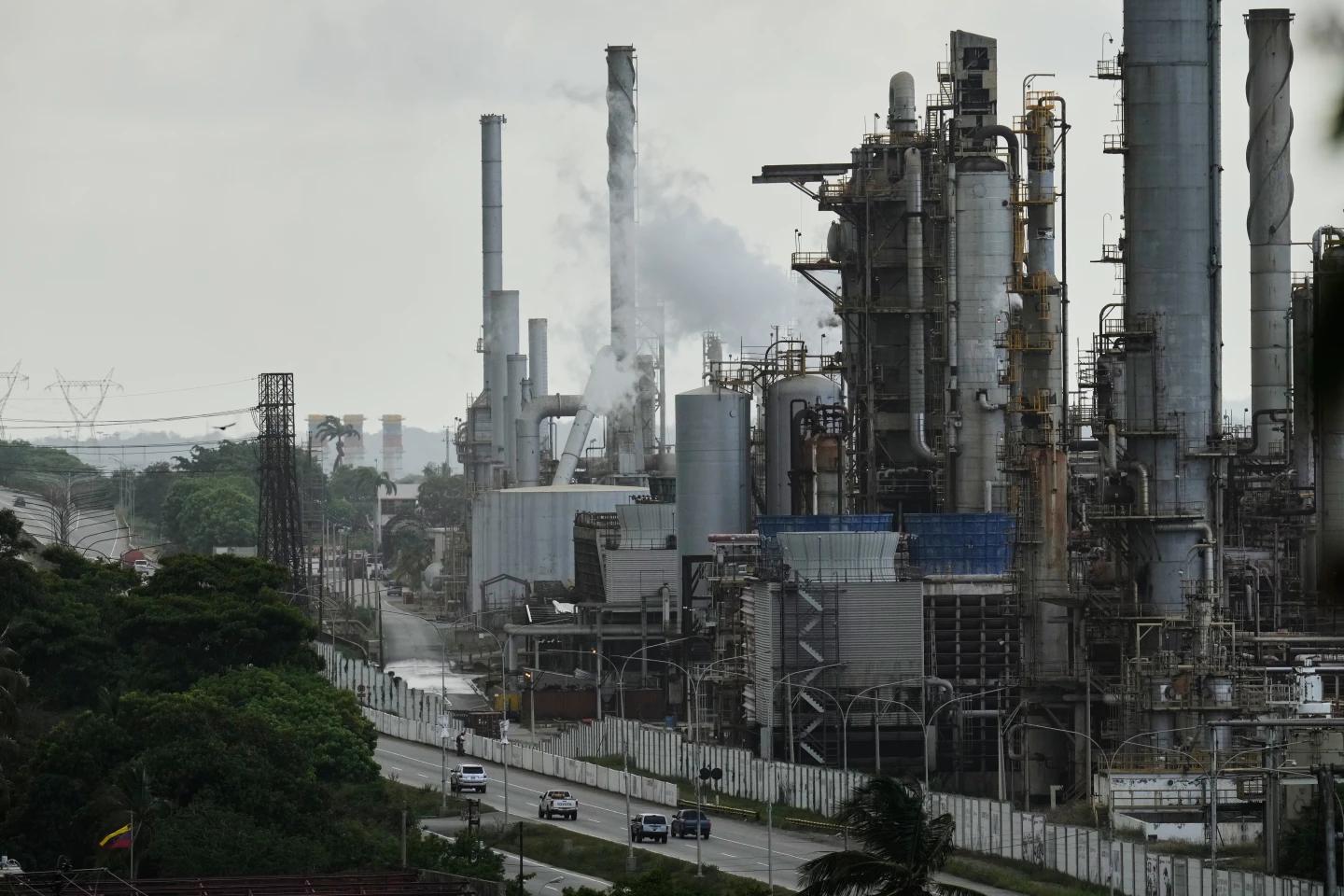
She noted that reviving production would require massive investment in aging infrastructure, new drilling activity, and expanded refining capacity capable of handling Venezuela’s heavy crude. “Optimising resource-rich Venezuela to generate meaningful income could take until 2030 and beyond,” she said.
At its peak in 1998, Venezuela pumped nearly 3.5 million barrels per day, compared with around 1 million barrels per day today. Restoring even a portion of that output would require years of coordinated effort.
Former BP chief executive John Browne echoed that assessment, saying it would take “a tremendous amount of skill, investment and time” to revive the sector. While some production gains could come quickly, he warned that output could also fall in the short term as the industry undergoes restructuring.
Bonds rally as Traders bet on regime change
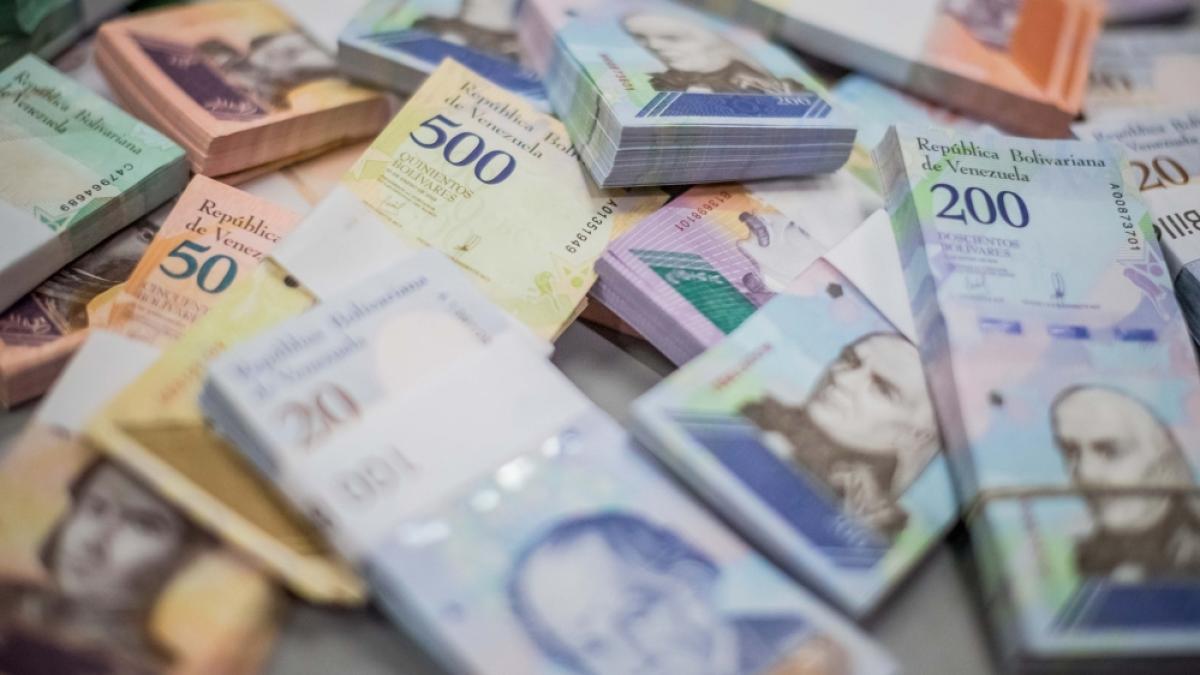
The political upheaval has sparked a sharp rally in Venezuelan government bonds, which have traded at deep discounts since the country defaulted on its debt in 2017.
A bond maturing in 2027 has climbed from 31.5 cents on the dollar to over 40 cents, while another bond originally due in 2022 has risen to around 34 cents, according to market data. The rally suggests investors are betting that political change could improve Venezuela’s prospects for restructuring or repayment.
The developments have also raised concerns abroad. China’s top financial regulator has reportedly asked major lenders to assess their exposure to Venezuela, as Beijing prepares for potential financial fallout linked to the country’s instability.
OPEC+ holds steady amid turmoil
Despite the geopolitical shock, the OPEC+ alliance showed no sign of altering its production strategy. The group, which includes Saudi Arabia, Russia, and the United Arab Emirates, agreed to maintain its pause on output increases until at least April.
The decision suggests producers remain cautious, preferring stability over reacting to developments that may take years to materially affect supply.
Gold, Bitcoin rise as safe havens attract demand
While oil prices softened, traditional and alternative safe-haven assets moved higher. Gold climbed 2 percent to $4,413.93 per ounce, while silver rose as much as 3.5 percent, extending a rally driven by geopolitical uncertainty and expectations of interest rate cuts.
Bitcoin also gained, rising 1.1 percent to $92,504, as investors continued to seek assets perceived as hedges against political and economic instability.
Global Markets largely resilient
Equity markets remained broadly positive despite the turmoil. Asian stocks posted their strongest start to a year since 2012, with South Korea’s Kospi index hitting a fresh record high after rising 3 percent.
In Europe, London’s FTSE 100 briefly moved back above the 10,000-point mark before easing slightly, underscoring investor confidence even as geopolitical risks remain elevated.
As markets continue to assess the long-term consequences of Venezuela’s political shake-up, one thing is clear: while the country’s oil reserves hold transformative potential, unlocking them will be a slow, complex process—one that could reshape global energy markets for years to come.
Tags:
Oil pricescrude oilVenezuelaglobal energy markets