Dangote Refinery reaches 650,000 bpd capacity, reshaping Nigeria’s FX and energy markets
The Dangote Petroleum Refinery has achieved full 650,000 barrels-per-day capacity following the optimisation of its core processing units. The milestone is already influencing Nigeria’s fuel import dynamics, foreign exchange flows, and investor sentiment around the naira.
By Sarah Johnson • 2/13/2026
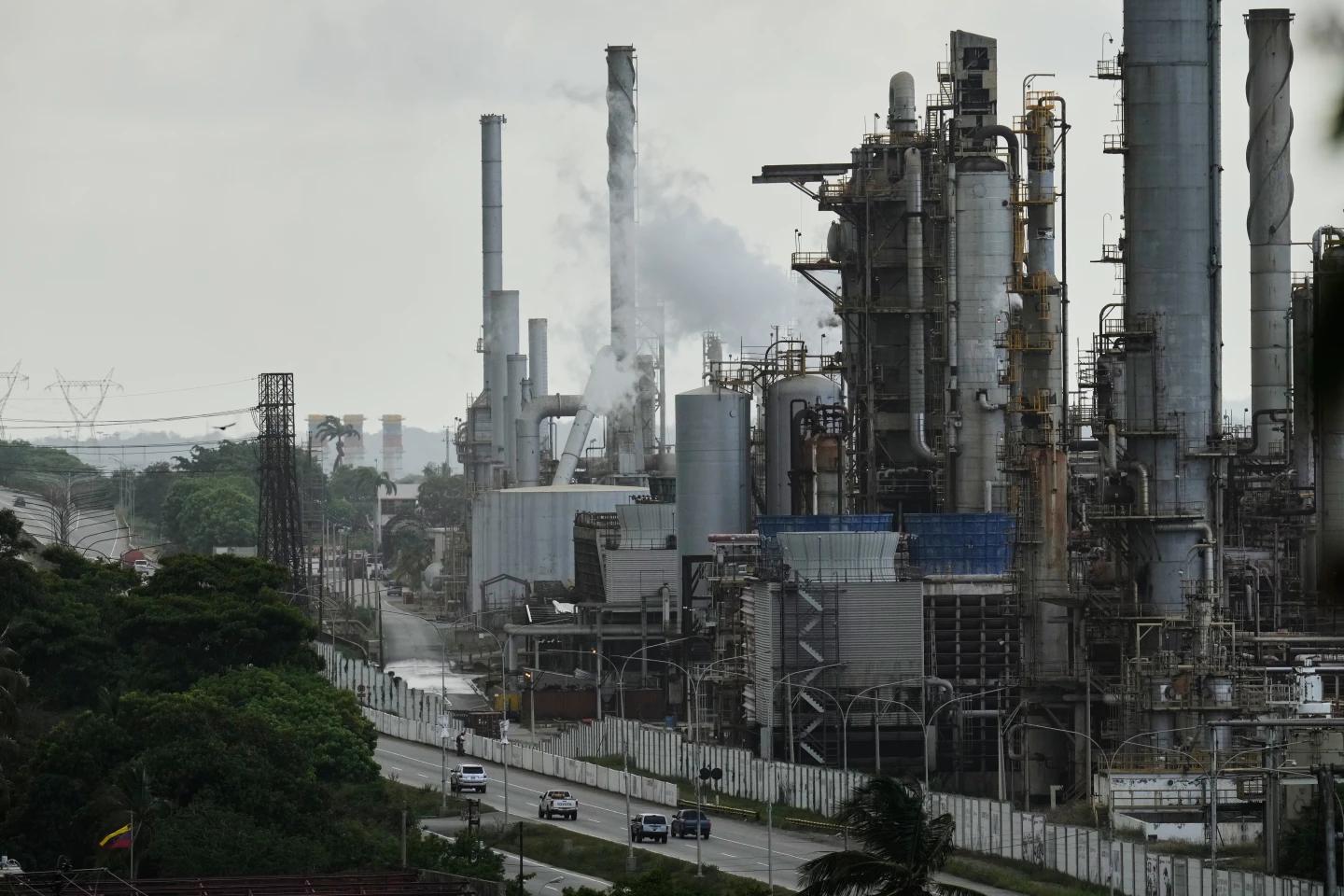
The Dangote Petroleum Refinery has reached its full nameplate capacity of 650,000 barrels per day (bpd), a landmark moment not only for Nigeria’s energy sector but for global refining infrastructure.
The company confirmed that the achievement followed the restoration and optimisation of its Crude Distillation Unit (CDU) and Motor Spirit (MS) production block. According to management, the facility has begun a 72-hour performance validation exercise in partnership with UOP, its process licensor, to confirm operational stability under sustained real-world conditions.
Executives describe the refinery as the world’s largest single-train facility of its scale to achieve full throughput, positioning it as a major industrial milestone in Africa’s downstream petroleum sector.
Why the 650,000 bpd milestone matters for investors
At full capacity, the refinery has the potential to fundamentally alter Nigeria’s fuel import profile. For decades, Africa’s largest crude oil producer has relied heavily on imported refined petroleum products, creating persistent pressure on foreign exchange reserves.
The CDU serves as the refinery’s primary separation engine, breaking crude oil into usable fractions. The MS Block, comprising a naphtha hydrotreater, isomerisation unit, and reformer unit, upgrades those streams into high-octane petrol blend components.
According to Managing Director and CEO David Bird, all three MS Block components are now operating steadily at 650,000 bpd, stabilising Premium Motor Spirit (PMS) production at scale.
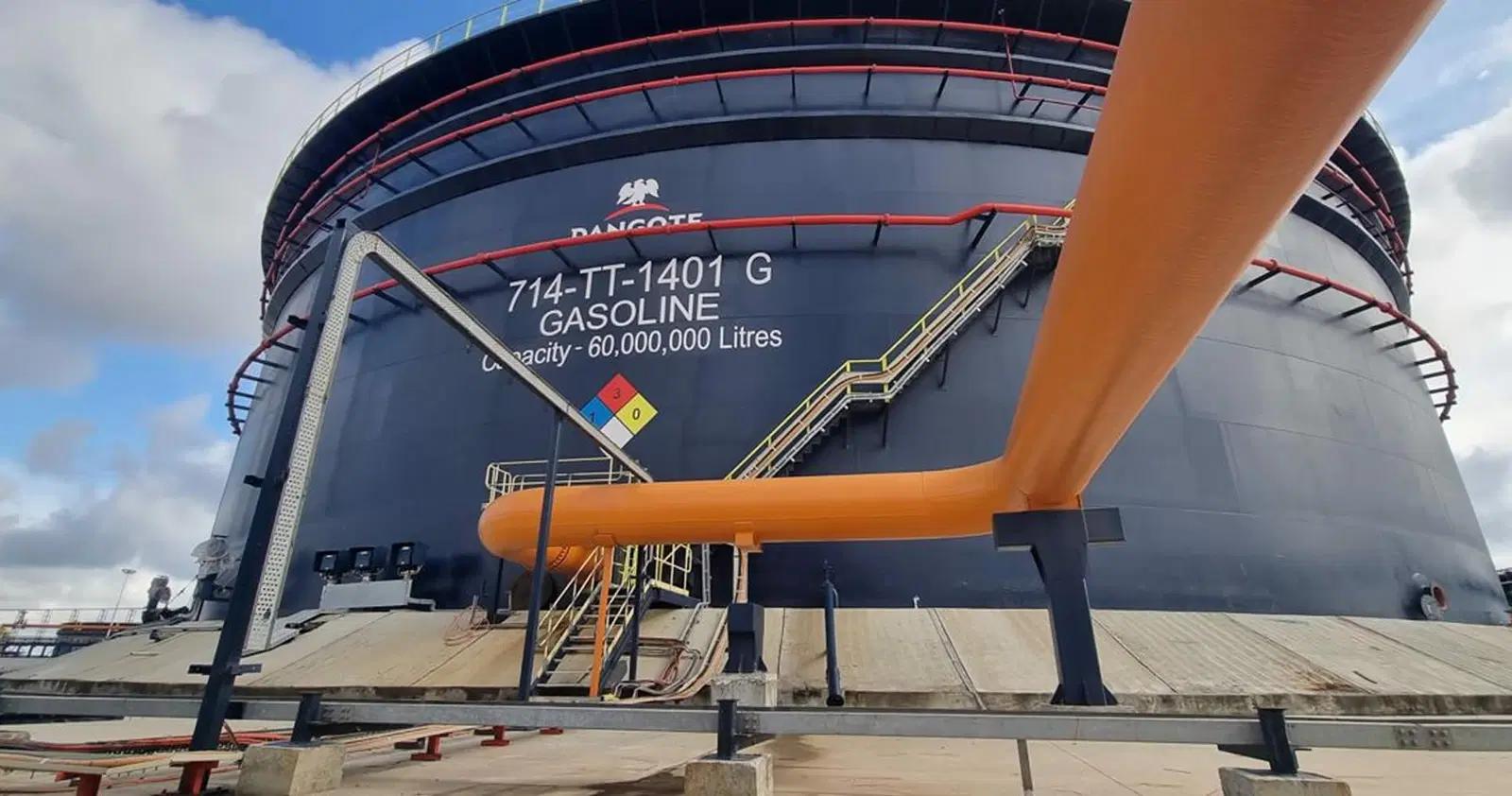
During the recent festive period, the refinery reportedly supplied between 45 million and 50 million litres of PMS daily to the domestic market. With optimisation complete, management says output could rise to as much as 75 million litres per day when required.
From a financial perspective, that shift could significantly compress the country’s fuel import bill.
The “Dangote Effect” on the Naira
Market analysts have increasingly referenced what traders call the “Dangote Effect” — the idea that large-scale domestic refining will structurally reduce Nigeria’s dollar demand.
As of 11 February, the naira traded at N1,348 on the Nigerian Foreign Exchange Market (NFEM) and had settled at N1,364 per dollar in the official market the previous week. While recent strength reflects policy adjustments and improved capital inflows, reduced petroleum import funding is emerging as a supporting factor.
Lower import dependence directly reduces the need for foreign currency allocations to fuel marketers. In theory, that eases structural pressure on Nigeria’s FX market.
However, currency strategists caution that refinery output alone cannot guarantee exchange rate stability. Sustained dollar liquidity from the Central Bank remains critical, particularly if parallel market spreads widen amid global volatility.
Still, the refinery’s scale changes the macroeconomic equation. Instead of being a perpetual net importer of refined fuels, Nigeria now has the capacity to meet domestic demand and potentially export surplus output regionally.
Private Capital and Policy Alignment
The refinery’s expansion aligns with Nigeria’s long-standing energy security objectives: conserve foreign exchange, improve domestic supply reliability, and stimulate industrialisation.
Billionaire investor Femi Otedola publicly described the full-capacity milestone as transformational for both Nigeria and the African continent. He suggested that sustained domestic refining could materially ease FX pressures and strengthen the naira over time, even projecting the possibility of sub-N1,000 exchange rates under favourable conditions.
While such forecasts are optimistic, they reflect growing investor confidence that the refinery represents a structural shift rather than a short-term adjustment.
Capacity Expansion to 1.4 Million bpd
Looking ahead, the refinery plans to double output to 1.4 million barrels per day within the next three years. If executed successfully, this would elevate Nigeria into the ranks of global refining hubs and significantly increase export optionality.
For global commodities markets, that expansion introduces a new refining centre capable of influencing regional fuel pricing, freight dynamics, and supply chains across West and Central Africa.
From a sovereign finance perspective, expanded domestic refining could support:
- Lower fuel import bills
- Reduced FX demand
- Improved current account positioning
- Stronger investor confidence in Nigeria’s industrial capacity
Structural Shift or Cyclical Boost?
The key question for markets is whether the refinery’s full-capacity operations will translate into durable macroeconomic gains.
Several factors will determine the long-term impact:
- Stable crude supply feedstock
- Efficient logistics and distribution infrastructure
- Transparent domestic pricing frameworks
- Consistent FX policy alignment
If those conditions hold, the refinery’s output could materially reshape Nigeria’s energy trade balance.
For now, the 650,000 bpd milestone represents more than an engineering achievement. It marks a pivotal moment in Africa’s industrial evolution — one that financial markets are watching closely.
Tags:
Dangote RefineryNigeria EnergyNaira Exchange RatePMS SupplyOil & Gas