China hits $1.2 Trillion trade surplus in 2025 as exports shift from US
China closed 2025 with a record $1.19 trillion trade surplus, powered by booming exports to Africa and Southeast Asia even as shipments to the United States plunged. The numbers show Beijing is steadily reducing its dependence on the US and reshaping global trade around emerging markets.
By Sarah Johnson • 1/14/2026
China ended 2025 with a historic trade milestone, posting a record surplus of almost $1.2 trillion, underscoring how the world’s second-largest economy is rapidly rewiring its export relationships away from the United States and toward emerging markets.
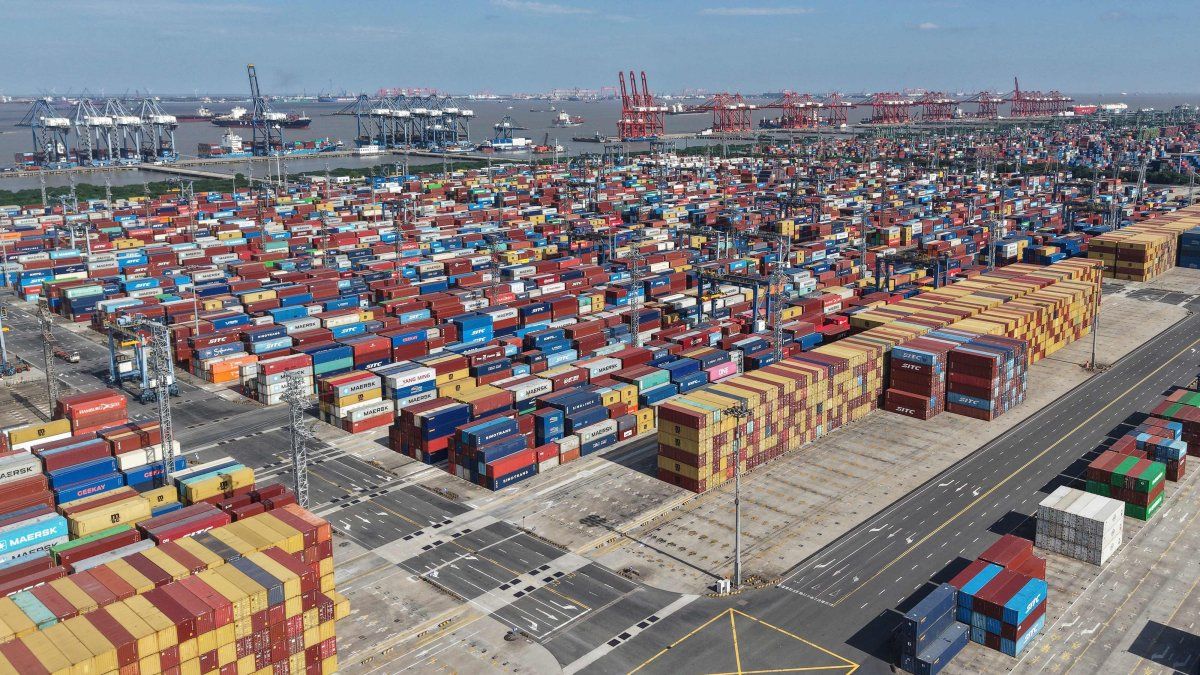
Data released by China’s General Administration of Customs showed that total trade in goods reached 45.47 trillion yuan ($6.51 trillion) last year, up 3.8 percent from 2024. Exports climbed 6.1 percent to 26.99 trillion yuan ($3.8 trillion), while imports grew just 0.5 percent to 18.48 trillion yuan ($2.6 trillion), producing the widest gap between exports and imports in China’s history.
The figures arrive at a time when Washington and Beijing remain locked in one of the most intense trade confrontations of the modern era. Yet rather than collapsing under pressure from US tariffs, Chinese exporters have simply found new buyers.
Emerging markets replace the US
China’s trade relationship with the United States continued to deteriorate in 2025. According to shipping and logistics data, exports to the US fell by 28 percent over the year as tariffs and political tensions made Chinese goods far more expensive in America.
That shortfall was more than offset elsewhere.
Exports to Africa, Southeast Asia, Latin America and the Middle East all grew at a faster pace than China’s overall export average. Wang Jun, a vice minister at China’s customs administration, said the country’s trading base is now far more diversified than in previous cycles.
“Trade partners are more diversified, and the ability to resist risks has significantly increased,” Wang said, adding that the fundamentals of China’s foreign trade “remain solid.”
ASEAN countries in particular have become a central destination for Chinese manufacturers, both as export markets and as production hubs. Many Chinese firms now route lower-value manufacturing through Vietnam, Thailand and Malaysia, allowing them to access US and European markets under lower tariff regimes while keeping higher-value production at home.
Why exports matter more than ever
China’s reliance on foreign demand is growing because of weakness at home. A prolonged property downturn, cautious consumers and uneven private-sector confidence have made domestic demand an unreliable engine of growth.
Exports now act as the economy’s shock absorber.
“Structural constraints are making a meaningful shift away from export-led growth improbable in the short to medium term,” said Henry Gao, a trade law expert at Singapore Management University. That reality explains why Beijing has quietly tolerated a rising trade surplus even as it creates political tension abroad.
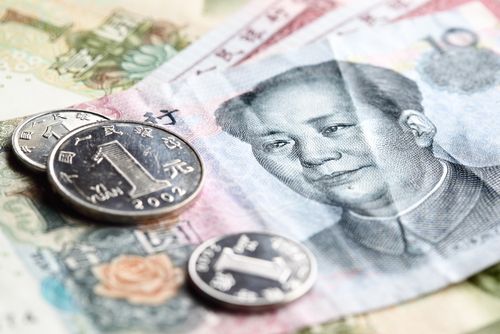
The yuan also played a role. A relatively weak Chinese currency made exports cheaper and more competitive, helping China record monthly trade surpluses above $100 billion in seven different months in 2025, compared with just one such month in 2024.
Markets cheer, policymakers worry
Financial markets reacted positively to the data. Chinese and Hong Kong equities rose after the release, with the Shanghai Composite Index hitting its highest level in more than a decade, reflecting investor confidence that exports will continue to underpin growth.
Globally, however, China’s export surge is stirring unease.
Many governments fear that cheap Chinese goods, from electronics to solar panels and industrial machinery, could overwhelm local manufacturers. Even major economies such as the US and the European Union have struggled to absorb Chinese imports without turning to tariffs, subsidies or trade defenses.
“If even the US and the EU struggle to absorb the surge of Chinese exports, few other countries are in a better position to cope,” Gao warned.
Trump’s tariffs fail to slow China
President Donald Trump returned to the White House with a renewed focus on trade deficits, imposing tariffs of up to 145 percent on some Chinese goods before settling into a truce that still leaves the average US tariff on Chinese imports at around 47.5 percent.
Those levels make many exports unprofitable in the American market. But rather than backing down, Chinese companies have rerouted their goods across the Global South.
“Chinese exporters have navigated the US tariffs with great success,” said Tianchen Xu of the Economist Intelligence Unit. “This means Chinese goods are now a global necessity.”
Ironically, the trade war has accelerated Beijing’s long-standing goal of reducing its dependence on the US economy. Today, Africa, Southeast Asia and Latin America are absorbing hundreds of billions of dollars in Chinese goods that once flowed primarily to American ports.
A new global trade map
China’s 2025 surplus, roughly equal to the annual output of a major economy like Saudi Arabia, marks a turning point. The world’s largest manufacturing hub is no longer anchored to one dominant buyer.
Instead, it is building a trade web across emerging markets that gives it resilience against political shocks from Washington.
For the US, the data highlights a difficult reality. Tariffs have made Chinese imports more expensive, but they have not stopped China from exporting. They have only changed where those exports go.
For the rest of the world, the shift brings both opportunity and risk: access to affordable Chinese goods and investment, but also fierce competition for local industries.
Either way, the numbers make one thing clear. In global trade, power is drifting away from Washington and toward a more multipolar system with Beijing at its center.
Tags:
China tradeglobal tradeUS China tariffsemerging marketsASEAN