Zambia becomes first African nation to accept mining taxes in China’s Yuan
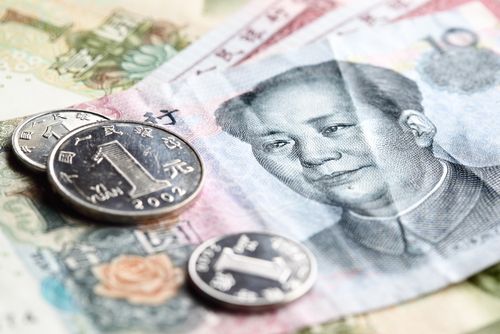
Zambia has begun accepting China’s yuan for mining tax payments, marking a first for Africa and underscoring Beijing’s rising financial footprint in the continent’s strategic resource sectors
By Sarah Johnson • 1/3/2026
Zambia has taken a landmark step in reshaping how mining revenues are collected and managed, becoming the first African country to accept China’s yuan (renminbi) for the payment of mining taxes.
The move, confirmed by the Bank of Zambia, reflects China’s expanding financial influence across Africa’s resource-rich economies and highlights a growing shift away from exclusive reliance on the U.S. dollar in commodity-linked transactions.
According to the central bank, payments in yuan began in October, allowing Chinese mining companies operating in Zambia to settle part of their tax obligations in the Chinese currency. Zambia is Africa’s second-largest copper producer, and copper remains the backbone of its export earnings.
Aligning currency policy with trade reality
Chinese firms play a dominant role in Zambia’s mining sector and China remains the country’s largest buyer of copperas well as one of its biggest creditors. Against that backdrop, the central bank said accepting yuan aligns better with Zambia’s trade flows and reserve management strategy.
“A large portion of copper exports go to China, and Chinese mining firms already receive some, if not all, of their export payments in renminbi,” the Bank of Zambia said in a statement.
The bank added that diversifying reserves remains a key policy goal, and holding yuan supports that objective by reflecting the currency composition of Zambia’s external trade.
Lower cost for servicing Chinese debt
Beyond trade alignment, officials pointed to debt management as a major motivation for the shift. Zambia has significant outstanding obligations to Chinese lenders, accumulated largely through infrastructure and mining-related financing.
By holding yuan reserves, the central bank said it can service Chinese debt more efficiently and at lower cost, reducing currency conversion expenses and exposure to exchange-rate volatility.
“The use of renminbi enables Zambia to service its debts to China in a more cost-effective manner,” the Bank of Zambia noted.
Africa as a testing ground for Yuan expansion
Zambia’s decision comes as Africa increasingly serves as a proving ground for China’s long-term ambition to internationalize the yuan.
Other countries on the continent are taking similar steps. Kenya, for example, converted part of its Chinese debt into yuan in 2025 as part of a restructuring of its $5 billion railway loan from the Export-Import Bank of China. Kenyan officials estimated the move could save the country roughly $250 million annually.
Ethiopia has also begun discussions around yuan-denominated debt arrangements, while Zambian authorities had previously indicated they were open to such options before formalizing the policy change.
New Exchange Framework for Mining Firms
To support the transition, the Bank of Zambia recently began publishing an official renminbi–kwacha exchange rate, giving mining companies the option to use either dollars or yuan when settling tax payments.
This builds on foreign-exchange regulations introduced in 2018 and expanded in 2020, which required mining firms to sell foreign currency to the central bank. Those measures were designed to rebuild Zambia’s depleted reserves during its prolonged debt crisis.
A Broader Shift in Africa’s Mining Economy
Zambia’s acceptance of yuan tax payments signals more than an administrative change. It marks a deeper evolution in how African commodity exporters engage with global financial systems, particularly as China cements its role not just as a buyer and lender, but as a currency partner.
As Beijing’s economic ties with Africa’s mining sector continue to deepen, Zambia’s move suggests that China’s influence is now extending beyond investment and trade — into the monetary foundations of resource economies themselves.
Tags:
Zambia MiningChinese YuanCopper IndustryAfrica-China trade