One year after Los Angeles wildfires, investors move in as vacant lots multiply
Twelve months after wildfires tore through parts of Los Angeles, vacant land is flooding the market in fire-hit neighborhoods, with investors emerging as a dominant force amid slow rebuilding and rising costs.
By Jennifer Williams • 1/6/2026
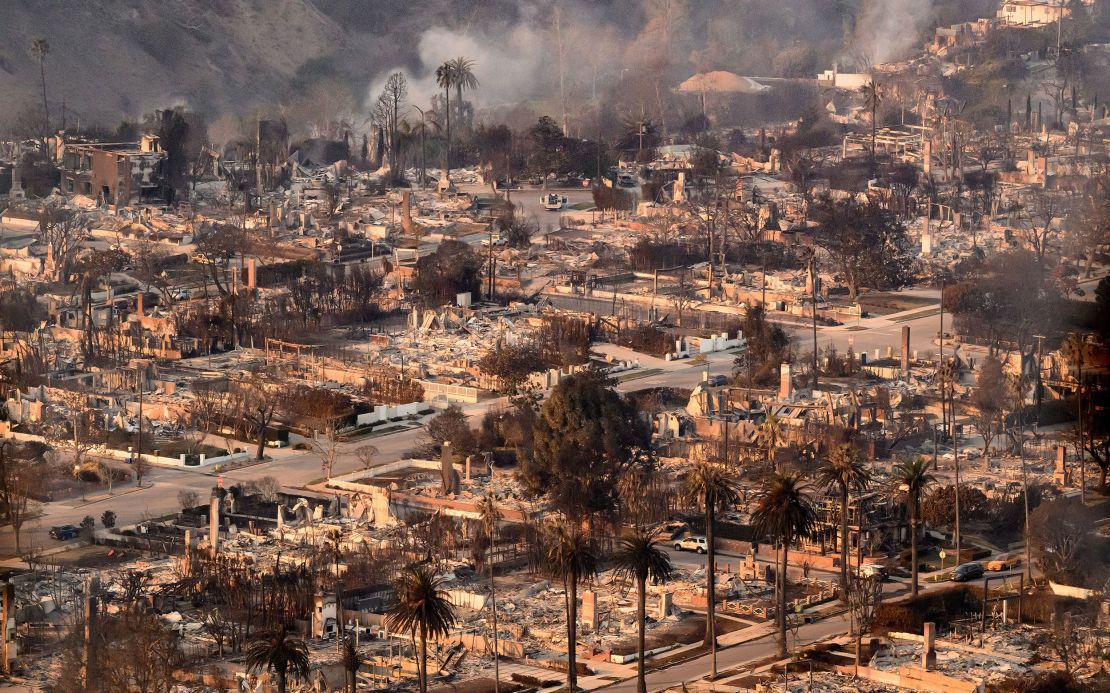
One year after wildfires swept through Pacific Palisades, Malibu, and Altadena, the physical scars remain visible, not just in the form of burned foundations, but in a real estate market increasingly shaped by uncertainty, stalled rebuilding, and investor capital.
Across several of the hardest-hit ZIP codes, investors now account for a significant share of the limited transactions taking place, according to recent data from Redfin. As thousands of displaced homeowners continue to weigh whether rebuilding is financially or emotionally viable, vacant land has become one of the few active segments of the local housing market.
Investors dominate vacant-lot sales
During the third quarter, investors represented roughly 40% to 45% of buyers for vacant residential lots in several fire-impacted neighborhoods, a sharp shift from a year earlier, when transactions were virtually nonexistent.
- In Pacific Palisades (90272), investors purchased 48 of 119 lots, or just over 40% of sales
- In Altadena (91001), they accounted for 27 of 61 transactions, about 44%
- In Malibu (90265), investors bought 19 of 43 lots, also roughly 44%, more than double their prior-year share
These figures reflect a widening divide between cash-ready buyers and residents still struggling to recover from one of California’s most destructive wildfire seasons.
Homeowners face difficult choices
Many displaced residents remain stuck in limbo nearly a year after the January 2025 fires. Insurance disputes, prolonged permitting timelines, rising construction costs, and stricter environmental remediation standards have slowed rebuilding across the region.
In Altadena, where many destroyed homes dated back to the 1940s and 1950s, the pressure is particularly acute. Local agents say investors are actively approaching homeowners with offers for cleared lots, often at prices well below pre-fire values.
Some residents have resisted selling, encouraged by neighbors who fear permanent changes to the character of their community. Others, especially elderly homeowners or those who were underinsured, have little choice but to sell after realizing the financial burden of rebuilding is too heavy.
A Tale of Two Recoveries
The recovery experience has varied sharply by neighborhood.
In Pacific Palisades and Malibu, some wealthier homeowners have purchased replacement properties while deciding whether to rebuild their fire-damaged homes. Agents report clients buying multimillion-dollar residences nearby as interim housing, with long-term reconstruction plans involving high-profile architects.
In contrast, many Altadena residents have either relocated permanently or remain in temporary rentals while waiting for clarity on insurance payouts and permits. Construction activity has only recently begun to pick up, nearly a year after the fires.
Listings surge, but sales lag
Despite growing investor interest, supply has overwhelmed demand. Redfin data show a dramatic increase in listings for both vacant land and single-family homes across the affected areas, while completed sales remain relatively thin.
Over the three months ending November 30:
- Pacific Palisades listed 309 vacant lots, up from just seven a year earlier
- Altadena recorded 225 listings, compared with two the year before
- Malibu saw listings rise to 214, up from 125
With so much inventory sitting unsold, sellers have begun cutting prices. In Altadena, vacant lots are frequently selling for $500,000 to $600,000, roughly half of what similar properties may have fetched before the fires.
Median vacant-lot sale prices during the period stood at:
- $510,000 in Altadena
- $1.6 million in Pacific Palisades
- $1.3 million in Malibu
Valuations remain difficult due to limited transaction volume and unresolved infrastructure issues, making price discovery a challenge for both buyers and sellers.
Home sales recover, but below normal levels
Single-family home sales have improved slightly from the immediate aftermath of the fires but remain below historical norms.
- Pacific Palisades recorded 31 home sales, up from six in the quarter after the fires but below the 45 recorded a year earlier
- Altadena logged 58 sales, up from 26 immediately after the fires but still under the 67 seen pre-fire
For the first time, vacant-lot sales now outnumber home sales in both communities, a reversal of pre-fire patterns.
Homes that survived the fires are attracting buyers only if they are competitively priced and fully remediated for smoke, ash, and environmental hazards.
Insurance costs add another layer of pressure
Insurance has become a major obstacle to recovery. Mortgage lenders require fire coverage, but premiums in affected areas have risen 35% to 50% since the wildfires.
Cleanup and remediation costs have also surged. Smoke and ash removal alone can run into tens of thousands of dollars, while addressing issues such as lead exposure or structural damage can push total expenses into the hundreds of thousands, sometimes exceeding insurance coverage limits.
A long road ahead
The imbalance between listings and completed sales suggests rebuilding in Los Angeles’ fire-scarred neighborhoods will stretch on for years. Until permitting bottlenecks ease and insurance disputes are resolved, vacant lots are likely to continue accumulating, creating opportunities for investors, but prolonging uncertainty for residents hoping to return.
For communities still recovering from the fires, the question is no longer just how to rebuild, but who will ultimately shape what gets rebuilt.
Tags:
Los Angeles real estatewildfireproperty investorsCalifornia housingreal estate trendsLos Angeles