Saudi Arabia to open financial markets to all foreign investors from February
Saudi Arabia is scrapping its Qualified Foreign Investor framework, allowing global investors direct access to its capital markets from February 2026.
By Sarah Johnson • 1/6/2026
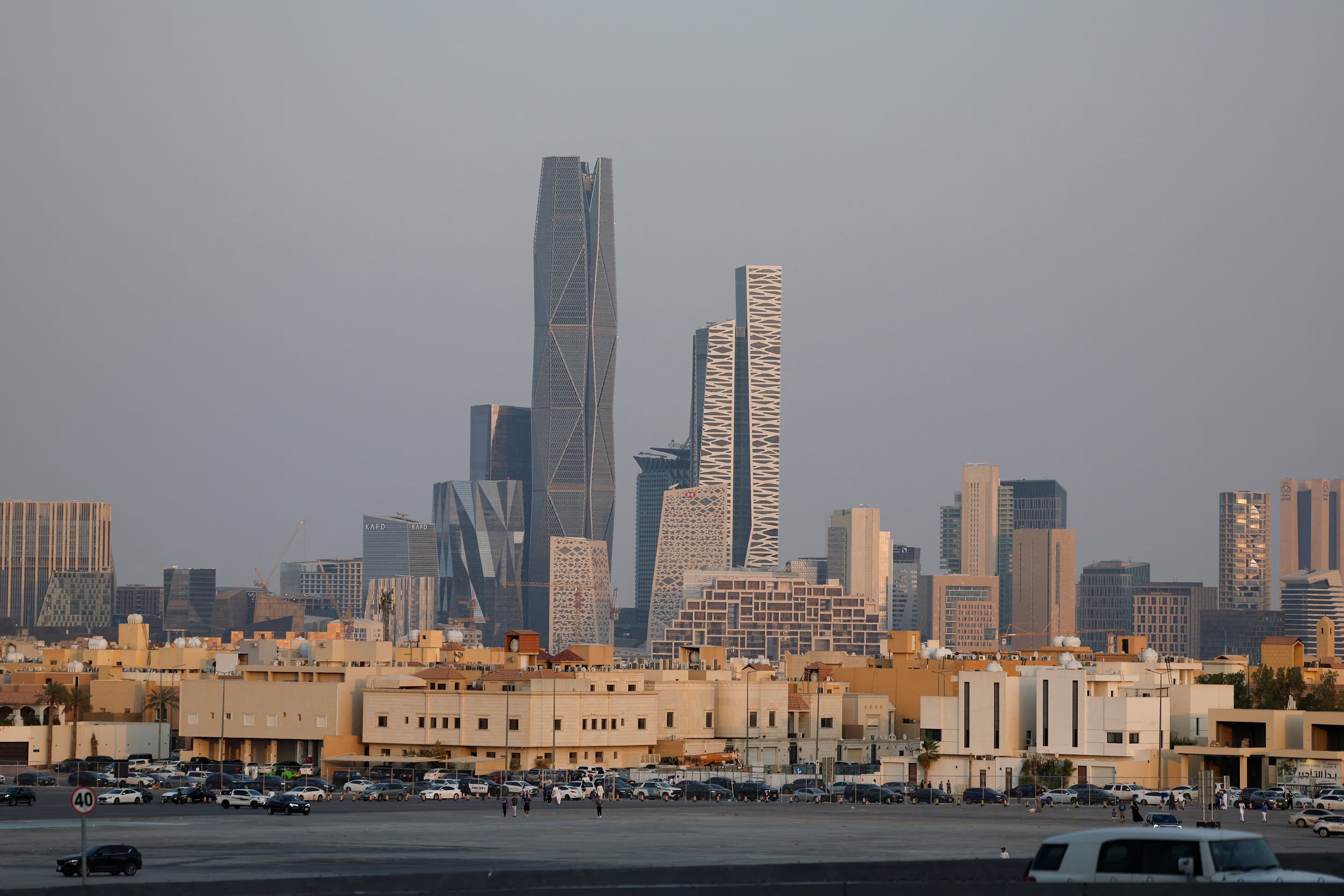
Saudi Arabia will open its financial markets to all foreign investors from February 1, marking a major shift in the kingdom’s investment framework as it seeks to attract more global capital and deepen market liquidity.
The move was announced on Tuesday by the Capital Markets Authority (CMA), which said it has approved regulatory amendments removing long-standing barriers to foreign participation in the Saudi capital market.
At the centre of the reform is the elimination of the Qualified Foreign Investor (QFI) framework, a system that previously limited direct market access to select international investors that met specific eligibility criteria. Under the new rules, investors from around the world will be able to invest directly in Saudi-listed assets without requiring QFI status.
Boosting Liquidity and Capital Inflows
The CMA said the changes are designed to support foreign inflows, enhance liquidity, and strengthen the overall efficiency of the Saudi capital market.
By scrapping the QFI requirement, regulators are simplifying market access and aligning Saudi Arabia more closely with global investment standards. The CMA noted that the reform reflects growing confidence in the maturity and resilience of the kingdom’s financial markets.
International investors already play a significant role in Saudi Arabia’s market. According to the regulator, foreign holdings reached 590 billion riyals ($157 billion) by the end of the third quarter of last year.
Part of a broader economic strategy
The market liberalisation is part of Saudi Arabia’s wider Vision 2030 strategy, which aims to reduce the economy’s reliance on oil revenues and expand the role of private capital.
Over recent years, the kingdom has taken multiple steps to attract overseas investors. These include partnerships with Asian markets through exchange-traded funds launched in collaboration with institutions in Japan and Hong Kong, as well as regulatory reforms aimed at improving transparency and market depth.
In another notable shift, regulators last year allowed foreign investors to buy shares in listed companies that own real estate in Mecca and Medina, while maintaining restrictions on direct land ownership in the holy cities.
Momentum builds in Saudi Equities
Investor sentiment toward Saudi equities has already shown signs of responding positively to regulatory signals. In September, Saudi stocks jumped after reports emerged that the CMA was considering easing foreign ownership caps on listed companies.
The latest announcement reinforces expectations that Saudi Arabia will continue to open its markets further, potentially increasing its appeal to global asset managers seeking exposure to emerging markets with scale and liquidity.
Looking ahead
With the removal of the QFI framework, Saudi Arabia is positioning itself as a more accessible destination for international capital at a time when global investors are reassessing exposure across emerging and frontier markets.
As the February deadline approaches, market participants will be watching closely to see how quickly foreign participation expands, and how the reforms translate into sustained liquidity, valuation growth, and broader market stability.
Tags:
Saudi Arabiaforeign investmentTadawulcapital marketsCMA