Morocco to launch $5.6 billion Nador West Med Port with first LNG Terminal
Morocco is set to open the $5.6 billion Nador West Med port in the fourth quarter of the year, a strategic project designed to boost trade capacity, attract industrial investment, and strengthen national energy security through the country’s first LNG terminal.
By Sarah Johnson • 1/29/2026
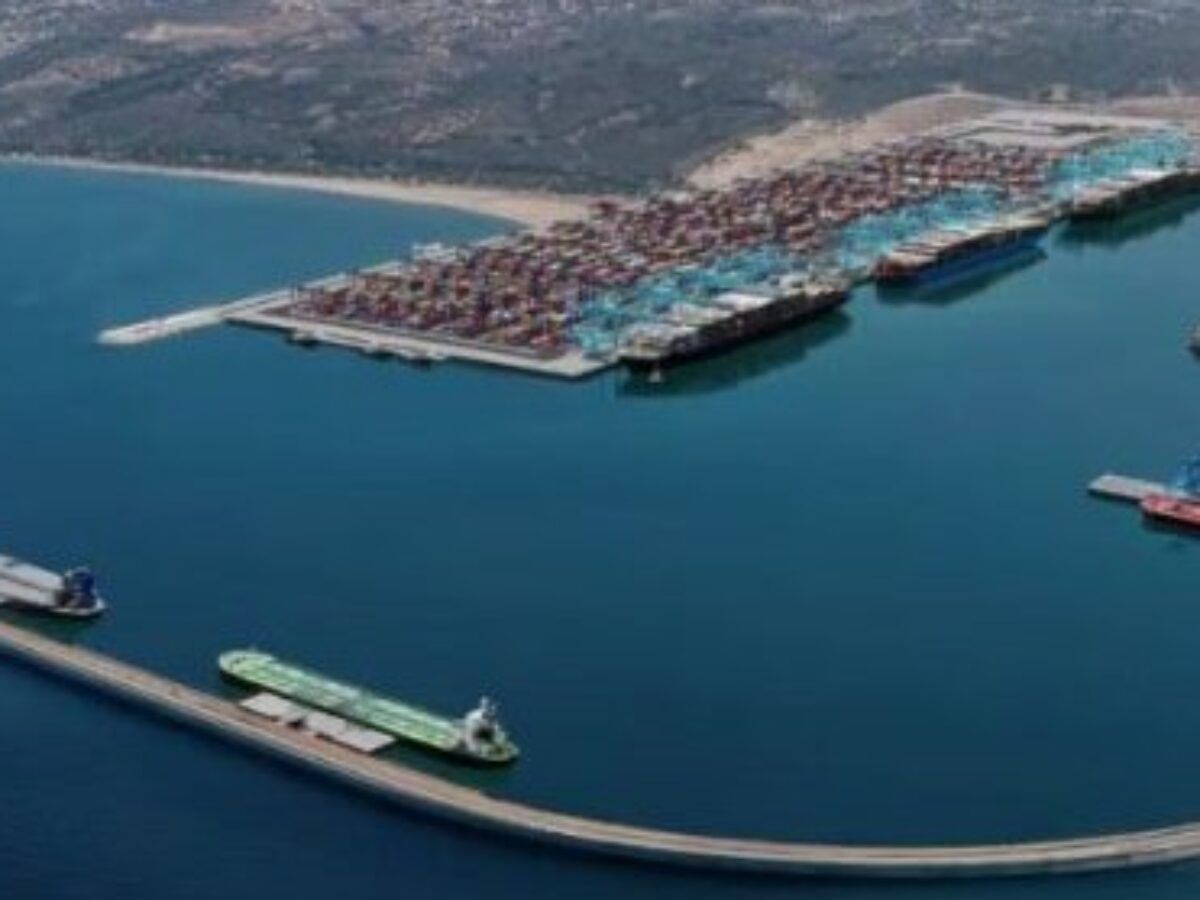
Morocco is preparing to bring its second Mediterranean deepwater port, Nador West Med, into operation in the fourth quarter of this year, marking a major expansion of the country’s trade and energy infrastructure and reinforcing its ambition to become a leading regional logistics hub.
The $5.6 billion project, located on the Mediterranean coast near the city of Nador, is positioned as a strategic complement to Tanger Med, Morocco’s flagship port that has grown into the largest port complex in both Africa and the Mediterranean.
At launch, Nador West Med will have the capacity to handle 5 million containers annually, with infrastructure designed to allow expansion to 12 million containers as demand grows. The scale places the port among the most significant maritime developments in the region and signals Morocco’s long-term bet on global trade flows.
According to a statement from the royal palace following a meeting chaired by King Mohammed VI, the port is intended to support Morocco’s growing role in international shipping, manufacturing supply chains, and transcontinental trade linking Europe, Africa, and the Atlantic basin.
The complex includes 5.4 kilometres of breakwaters, 4 kilometres of quays, and four power stations, giving it the depth, resilience, and energy capacity required to serve large container vessels and industrial operators.
Energy Infrastructure at the Core
A defining feature of Nador West Med is its role as an energy hub.
The port will host Morocco’s first liquefied natural gas (LNG) terminal, with an annual handling capacity of 5 billion cubic metres, alongside a dedicated hydrocarbons terminal. This marks a critical step in Morocco’s strategy to diversify its energy sources, reduce exposure to supply shocks, and support power generation and industrial consumption.
The LNG facility is expected to play a central role in meeting domestic energy demand while enabling the country to integrate more flexibly into global gas markets. Analysts see the move as particularly significant as North African economies seek to balance renewable energy expansion with reliable transitional fuel sources.
Industrial and Investment Magnet
Beyond maritime and energy operations, Nador West Med has been designed as a large-scale industrial and logistics platform.
Around 700 hectares of land within the port complex have been allocated for industrial, logistics, and value-added activities. The palace said the zone has already attracted 20 billion dirhams in private investment commitments, indicating strong interest from manufacturers, energy firms, and logistics providers.
These investments are expected to generate employment, deepen industrial linkages, and improve Morocco’s competitiveness as an export-oriented economy.
Strengthening Morocco’s Regional Position
Once operational, Nador West Med is expected to significantly enhance Morocco’s role as a trade, energy, and logistics gateway in the western Mediterranean. Together with Tanger Med, the new port strengthens the country’s control over key maritime routes and positions it as a critical node connecting African production hubs with European and global markets.
For investors, the project underscores Morocco’s continued focus on infrastructure-led growth, public-private partnerships, and long-term competitiveness in global supply chains.
As global shipping routes adjust and energy security climbs higher on national agendas, Nador West Med represents a strategic asset designed to anchor Morocco’s economic ambitions for decades to come.
Tags:
Morocco Energy infrastructure LNGPorts and logistics