
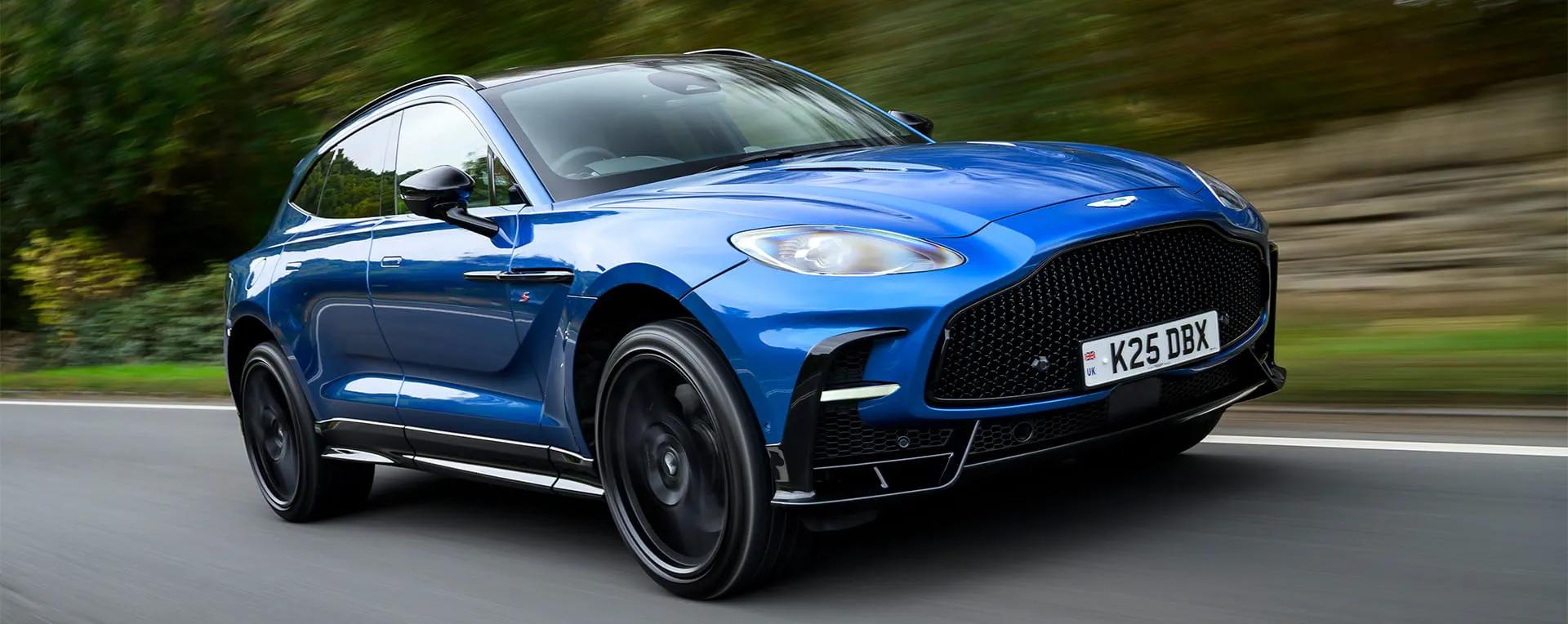
Aston Martin to cut 20% of global workforce after losses widen to £493m
Aston Martin will eliminate up to 20% of its global workforce after reporting a 52% increase in annual losses to £493 million. The restructuring comes as the British luxury carmaker battles tariffs, weak China demand, and mounting electric vehicle investment costs.
By Michael Chen • 2/26/2026
British luxury automaker Aston Martin Lagonda is set to reduce its global workforce by as much as 20%, a move that could affect roughly 600 employees out of its 3,000-strong staff base.
The decision follows a sharp deterioration in financial performance. The company reported net losses of £493.2 million for the most recent fiscal year, marking a 52% increase compared with the prior year.
Most of the cuts are expected to occur in the United Kingdom, where Aston Martin’s primary production and corporate operations are based. The carmaker is headquartered in Gaydon, Warwickshire, and operates a major manufacturing facility in St Athan, Wales, alongside international offices and dealership networks.
Financial Strain Deepens
The widening loss highlights the ongoing volatility within the global luxury automotive sector.
Aston Martin has struggled with multiple external pressures, including trade tariffs introduced during the administration of former U.S. President Donald Trump, which the company previously described as highly disruptive to its operating environment.
In addition, demand in China — the world’s largest automotive market — has softened considerably. China has long been a key growth engine for premium and ultra-luxury brands. However, slower economic growth, cautious consumer spending, and intense domestic EV competition have dampened sales momentum.
Luxury vehicle manufacturers also face a structural challenge: balancing high-margin combustion engine models with the enormous capital requirements of electrification.
Cost-Cutting Targets £40 Million in Annual Savings
The job reductions form part of a broader restructuring plan aimed at stabilizing cash flow and strengthening the balance sheet.
Aston Martin expects the workforce cuts to generate approximately £40 million in annual cost savings, with most of the financial benefit projected to be realized within the current fiscal year.
Management described the layoffs as the result of an organizational review conducted at the start of 2025. While the company did not outline a detailed timeline, the reductions are expected to span factory roles, engineering, and corporate functions.
For investors, the key question is whether cost discipline can offset revenue volatility in core markets.
Capital Expenditure Trimmed, EV Timeline Slows
In addition to headcount reductions, Aston Martin is scaling back its medium-term investment strategy.
The company has reduced its five-year capital expenditure plan from £2 billion to £1.7 billion. Part of that adjustment includes delaying certain electric vehicle programs.
This recalibration signals a more cautious approach to electrification — a capital-intensive transition that has strained many legacy automakers. While rivals are accelerating EV rollouts, some premium manufacturers are reassessing demand projections amid slower-than-expected consumer uptake in key regions.
For Aston Martin, preserving liquidity appears to have taken priority over aggressive EV deployment.
Luxury Auto Market Under Pressure
The restructuring underscores broader turbulence in the global luxury automotive sector. Several high-end manufacturers have reported weaker demand in Asia and tighter financing conditions globally. Rising interest rates in major markets have also weighed on discretionary purchases, particularly for ultra-premium vehicles.
At the same time, competition has intensified from both established European brands and emerging electric-first manufacturers.
Aston Martin’s brand equity, closely associated with its long-standing ties to the James Bond franchise, remains a valuable asset. However, heritage alone has not insulated the company from structural shifts in the industry.
A Pivotal Year Ahead
The next 12 months could prove decisive for Aston Martin’s turnaround efforts.
The company must:
- Restore investor confidence
- Stabilize cash flow
- Navigate global trade dynamics
- Refine its EV transition strategy
- Protect its premium brand positioning
With losses approaching half a billion pounds and significant workforce reductions underway, Aston Martin enters 2025 at a critical crossroads.
Whether this restructuring represents a reset toward long-term sustainability, or merely a temporary reprieve amid deeper market shifts, will depend on execution, global demand trends, and the pace of transformation in the luxury automotive space.
For now, the iconic British marque is prioritizing survival and financial discipline over expansion, a strategy that may define its future in an increasingly competitive global auto industry.
Tags:
Aston MartinUK ManufacturingLuxury CarsAuto Industry